My daughter’s room is never anything less than spotless. Until the other day, when I went looking for a laptop. I’d searched every cupboard and every desk, and in the end it was lying under her bed. That’s also where the secret to her tidy room was. She calls the space under her bed ‘the void’. ‘Best not to look,’ she said. ‘Who knows what lives down there.’
Everyone has a spot like that somewhere. A drawer, a cupboard, a chair that collects a whole week’s clothes. And even when you’re not looking at it, your head knows exactly that it’s there.
What a tidy home does for you

Picture walking into the kitchen tomorrow morning. The counter is clear, apart from the kettle. Your keys are hanging on the hook. You grab your coat and no other coats come tumbling off with it. In the evening you flop onto the sofa and your eyes don’t catch on anything: no pile of post, no bag still waiting to be unpacked. Only a room that’s ready for you.
In a study by Saxbe and Repetti (2010), working parents gave researchers a tour of their own home. The women who talked mostly about clutter and unfinished jobs showed a less favourable pattern in the stress hormone cortisol over the day, and felt lower in mood. That’s a correlation, not proof that the clutter causes it, but it’s recognisable all the same: everything sitting in view asks a little bit of your attention.
In a study by Roster, Ferrari and Jurkat (2016), researchers asked people about the things in their home. The more clutter people felt they had, the less their home felt like a nice place of their own, and the lower their sense of wellbeing. In a follow-up study, Ferrari and colleagues (2018) found that people who put off tidying and getting rid of things ended up with more clutter at home.
Why small jobs beat a tidying weekend
You might know the pattern: a whole weekend spent tidying, bags off to the charity shop, and two weeks later everything is back where it was. A big plan feels great on a Saturday morning, but it takes so much out of you that you don’t dare try again for months.
We’ve already done Japanese walking. And the Japanese have a lovely word for this way of tidying too: kaizen, change for the better, in small steps. Psychologist Robert Maurer wrote a whole book about it. His core idea: a step so small you can hardly skip it carries you further, eventually, than a big leap you never actually take.
Behavioural scientist BJ Fogg of Stanford calls this Tiny Habits: make the new habit absurdly small and tie it to something you already do. Productivity expert David Allen came up with the two-minute rule: if something takes less than two minutes, do it there and then instead of writing it on a list.
What also helps is deciding in advance when and where. Psychologist Peter Gollwitzer calls that an if-then plan. ‘Once I’ve poured my tea, I clear the counter.’ In a review of 94 studies (Gollwitzer and Sheeran, 2006), people with a plan like that followed through on their intentions far more often than people who only had a good intention.
From ‘I’m just not a tidy person’ to ‘I’m someone who does a little bit every day’
Plenty of people say about themselves: ‘I’m just not a tidy person.’ Or: ‘I’m just a messy person.’ Maybe you’ve been telling yourself that line for years. And as long as you believe it, every little job feels like a fight with yourself.
Writer James Clear says in Atomic Habits that every action is a vote for the person you want to become. Tidying one drawer once doesn’t make you an organised person. But one small job every day is one vote every day. And one day you look around and think: I’m someone who just does this.
The exercise works like this:
- Write down your old sentence. For example: ‘I’m just a messy person.’
- Write your new sentence underneath. Small and achievable: ‘I’m someone who finishes one thing every day.’
- Do one job from the generator below today, then say your new sentence out loud. Yes, actually out loud.
- Repeat that for a week. Put a tally mark next to your new sentence every day.
Make it stronger with scent. Put a few drops of one fixed blend in the diffuser, Motivate for example, or smell the bottle while you say your new sentence. Use the same scent every time. That links the scent to your new sentence, and after a while the scent alone will bring the feeling straight back. That’s called aromatic anchoring.
Here, two pillars of GOOD. meet. The D of deep emotional balance: a tidy home gives your head some space. And the dot, the turning point (conscious manifesting): you choose who you want to be, and make that true a little bit each day. One day you stop slipping back into the old sentence, because tidying has simply become part of who you are.
The tidying week: one small job a day
- Day 1: put three things back where they belong. That’s it.
- Day 2: clear one surface completely. Don’t sort, just clear.
- Day 3: sort out three stray bits of paper. Keep, deal with, or bin.
- Day 4: hang the coats up by the front door.
- Day 5: clear the shelf in your bathroom.
- Day 6: the 15-minute tidy. Set a timer for 15 minutes and pick one spot: one drawer, one counter, or that one chair with clothes on it.
- Day 7: look under your own bed. At your own risk.
Put citrus in the diffuser every day (4 drops Wild Orange, 2 drops Lemon and 1 drop Peppermint).
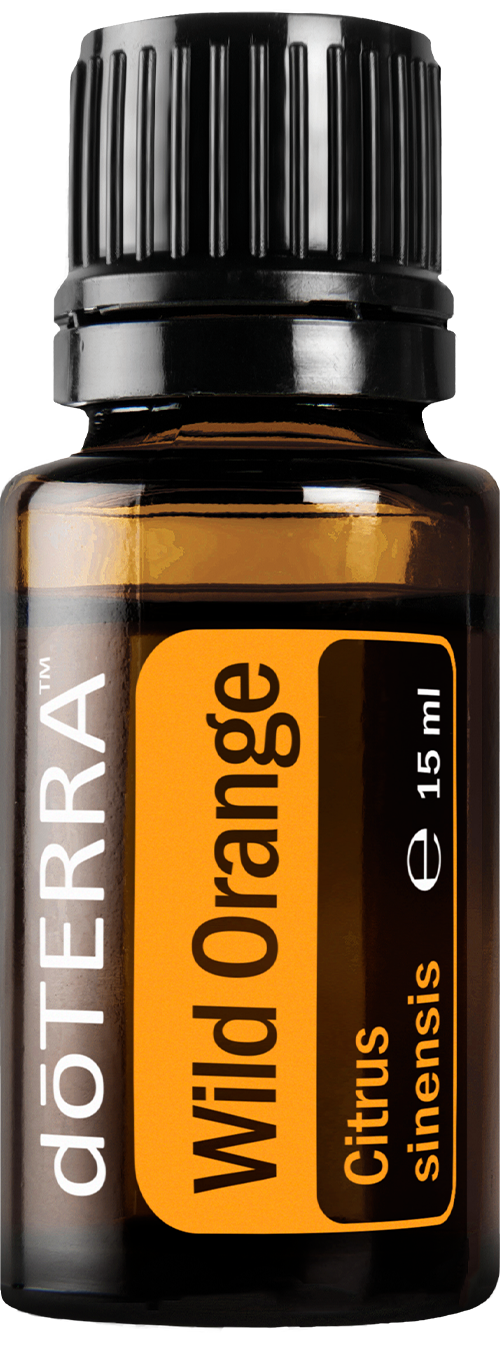 Wild Orange
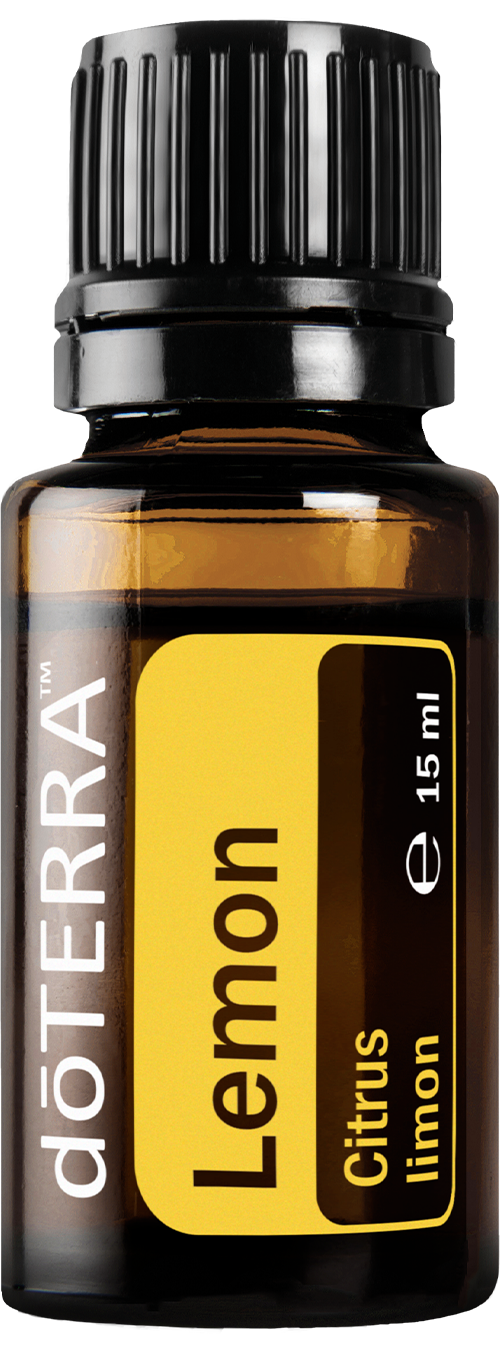 Lemon
Lemon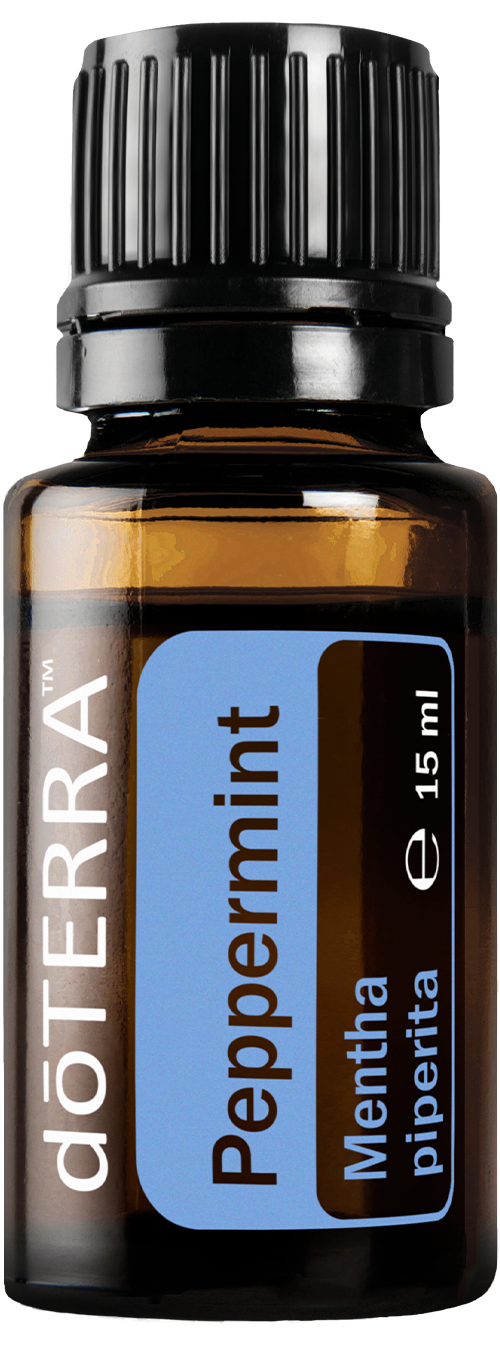 Peppermint
Finished your job? Switch to Lavender and Cedarwood, so your house smells of calm.
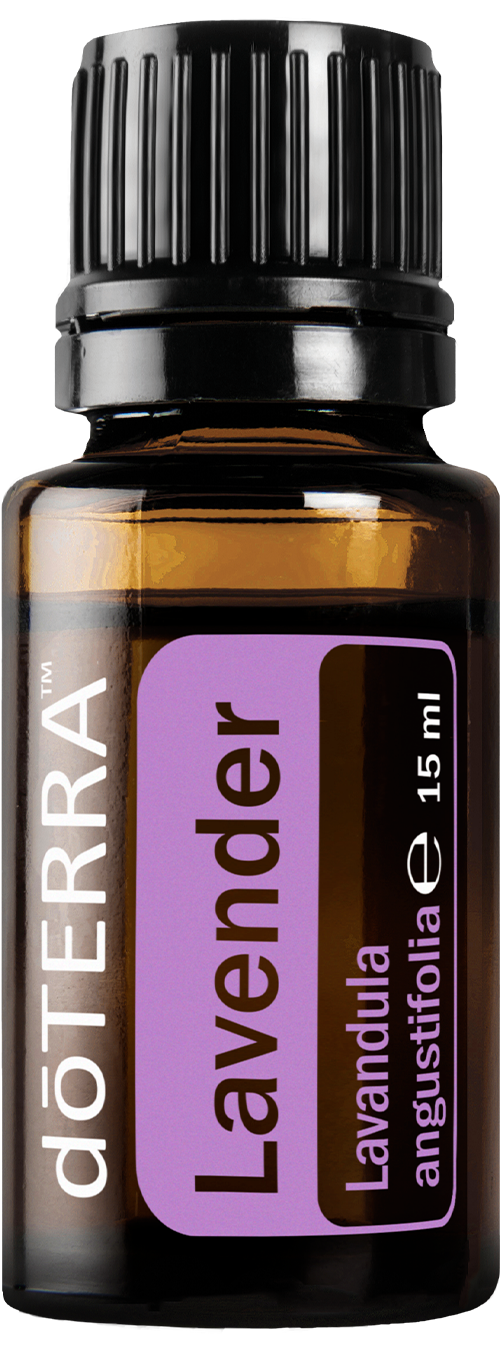 Lavender
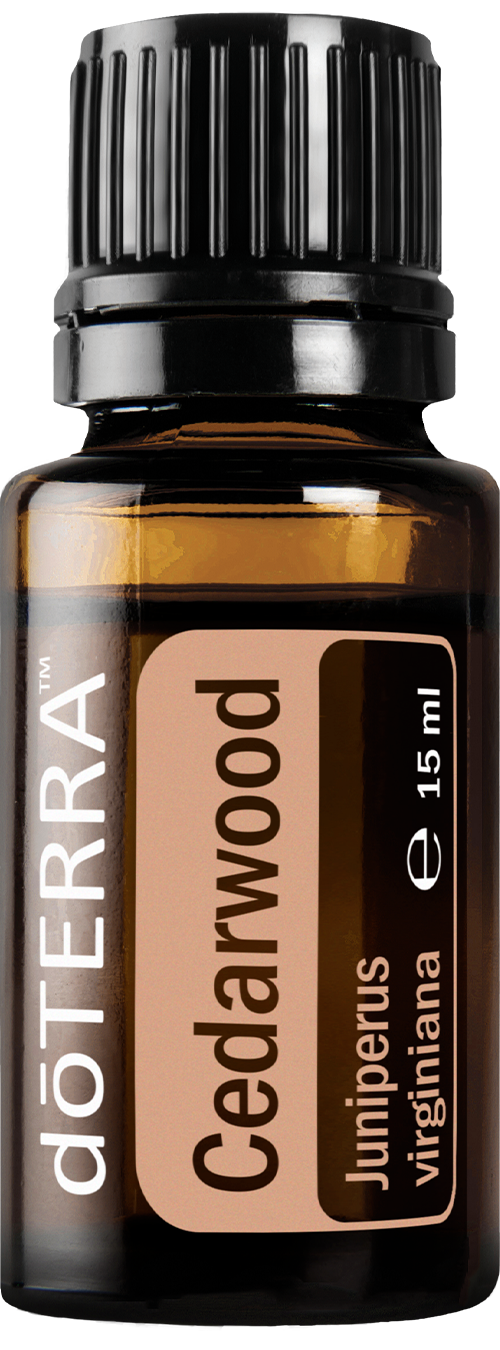 Cedarwood
Why citrus?
In a study by Holland and colleagues (2005), people sat in a room with a faint citrus-like cleaning scent they didn’t consciously notice. Afterwards they were given a crumbly biscuit to eat. The people who’d smelled the scent wiped the crumbs off the table more often than those who hadn’t, and nobody had noticed the scent itself. Got someone at home who’s happy to leave the tidying to somebody else? Put citrus in the diffuser and see what happens.
The tidy-up generator
Don’t feel like choosing yourself? Let the generator pick a job for you. Choose how much time you’ve got and where you want to start, start the timer, and stop when the timer goes.
Which small job will you do today?
Pick how much time you have and where you want to start. The generator chooses from 37 small jobs.
How much time have you got?
Where do you want to start?
Choose above and tap the button.
The GOOD. diffuser guide

Which scent do you reach for when you want to tidy up, when you want to focus, or when you want to wind down in the evening? The free diffuser guide has nine blends for every moment in the house, plus the all-purpose cleaner with lemon.
Download the free diffuser guide →Sources
- Saxbe, D. E., & Repetti, R. (2010). No place like home: Home tours correlate with daily patterns of mood and cortisol. Personality and Social Psychology Bulletin, 36(1), 71-81.
- Roster, C. A., Ferrari, J. R., & Jurkat, M. P. (2016). The dark side of home: Assessing possession 'clutter' on subjective well-being. Journal of Environmental Psychology, 46, 32-41.
- Ferrari, J. R., Roster, C. A., Crum, K. P., & Pardo, M. A. (2018). Procrastinators and clutter: An ecological view of living with excessive "stuff". Current Psychology, 37(2), 441-444.
- Holland, R. W., Hendriks, M., & Aarts, H. (2005). Smells like clean spirit: Nonconscious effects of scent on cognition and behavior. Psychological Science, 16(9), 689-693.
- Gollwitzer, P. M. (1999). Implementation intentions: Strong effects of simple plans. American Psychologist, 54(7), 493-503.
- Gollwitzer, P. M., & Sheeran, P. (2006). Implementation intentions and goal achievement: A meta-analysis of effects and processes. Advances in Experimental Social Psychology, 38, 69-119.
- Fogg, B. J. (2019). Tiny Habits: The small changes that change everything. Houghton Mifflin Harcourt.
- Allen, D. (2001). Getting Things Done. Viking.
- Maurer, R. (2004). One Small Step Can Change Your Life: The Kaizen Way. Workman.
- Clear, J. (2018). Atomic Habits. Avery.