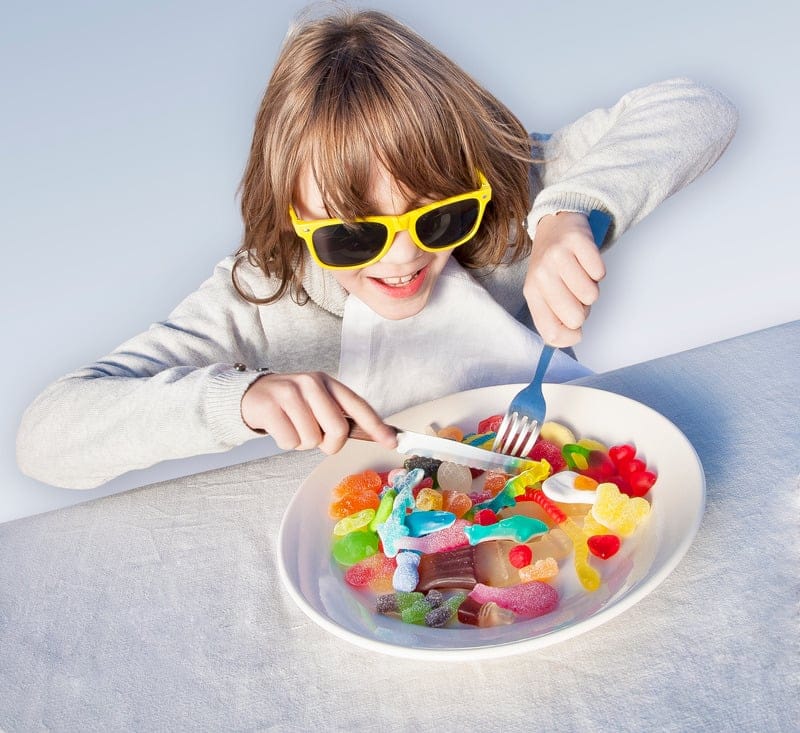
You are not a toddler

So why are you eating like one?

Glucose conscious living

That afternoon crash is not a law of nature – it’s a choice you’re making!

15:00 uur. Je zit aan je bureau en your brain weigert dienst. Je staart naar je
scherm alsof het Chinees is. Je hand grijpt automatisch naar de
snoeplade. Of die “gezonde” mueslireep. Of naar de zoveelste kop koffie.

Stop. Daar. Even. Mee.

Because what you’re about to do – grabbing that quick sugar or caffeine fix – is
exactly why you’ll be sitting here again in an hour. And tomorrow. And the day after.

And in 10 years, still – but then with type 2 diabetes thrown in.

My own glucose wake-up call

Let me be honest: I was the queen of the blood sugar rollercoaster.

When my kids were still small (hello crying baby, I didn’t sleep through the night for 5 years – 5 years!!!) I lived on coffee and chocolate.

I was born in Germany and used to joke that I was “genetically programmed” for that 16-hour “Kaffee und
Kuchen” tradition.

But the truth? I created the perfect storm with this combination of stress, lack of sleep and bad food choices. Insulin resistance, mood swings, energy crashes – the whole package.

The hard truth (you know this - but do it anyway)

We have been collectively brainwashed. That food pyramid with grains as the base? Bullshit. The idea that you have to eat 6x a day
for “stable blood sugar”? Even more nonsense.

Here’s what really happens:

Every time you eat carbs – bread, pasta, rice, fruit, milk, whatever – your blood sugar rises. Your pancreas pumps out insulin
to get that sugar into your cells. The more often you eat, the more often this cycle runs. The more often this cycle runs, the more likely your cells become insulin-resistant. And insulin resistance is the start of almost every modern disease.

The science that can change your life

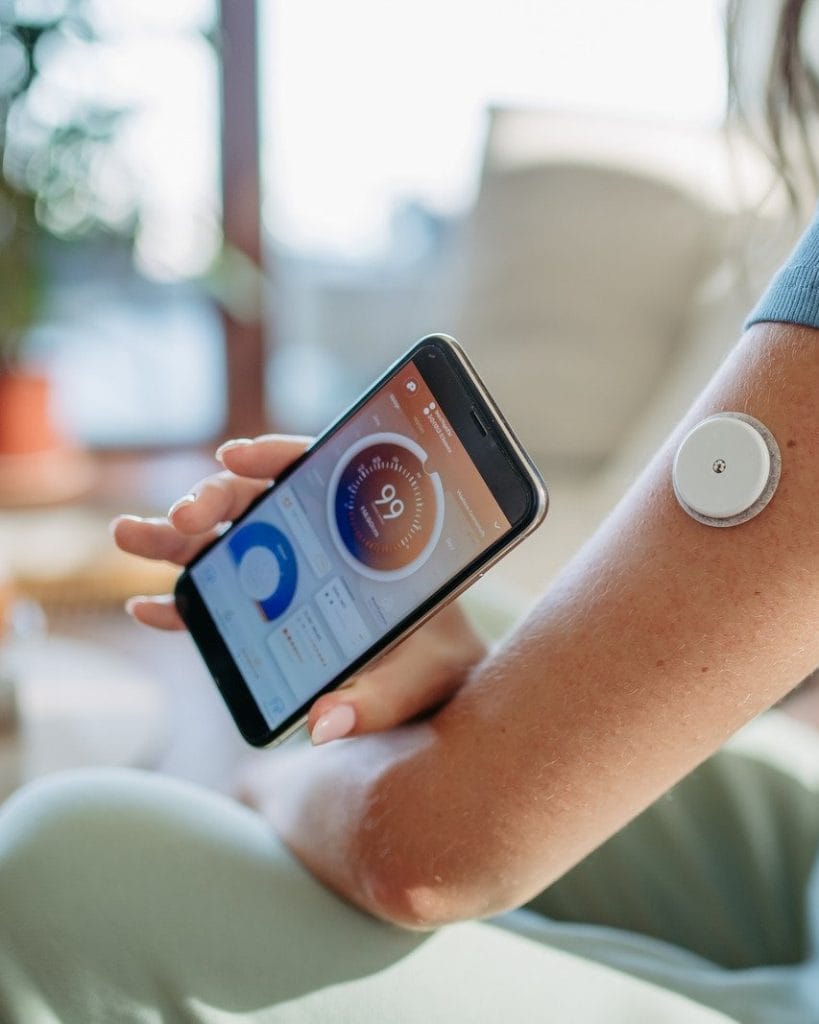
Jessie Inchauspé (also known as The Glucose Goddess) did groundbreaking research with continuous glucose monitors.

What she discovered? Mind-blowing:

Study 1: Changing the order

Same meal, different order:

  • Group A: Bread → meat → vegetables = blood sugar peak of 180
    mg/dL
  • Group B: Vegetables → meat → bread = blood sugar peak of 120 mg/dL

Same calories. Same food. 33% lower glucose response. Just by changing the order.

Study 2: A walk after eating

10 minutes of walking after a meal lowers your blood sugar peak by up to 30%. Your muscles use glucose as fuel – so it doesn’t get stored as fat.

Study 3: A spoonful of vinegar

1 tablespoon of apple cider vinegar in a glass of water before a carb-heavy meal: 30% lower blood sugar response. Sounds crazy, works miracles. The acetic acid temporarily slows down the enzymes that break down carbs.

Why this is about more than just energy

Unstable blood sugar f*cks with EVERYTHING:

Your hormones: Swinging blood sugar → stress on adrenals → disturbed cortisol → sleep problems → even more
disturbed blood sugar. Vicious circle!

Your skin: Glucose binds to collagen (glycation). Result: premature wrinkles, less elasticity. That expensive anti-aging cream?
Wasted money if your blood sugar is on a rollercoaster.

Your brain: Studies show: people with chronically high blood sugar have up to 60% higher risk of dementia.
Scientists call Alzheimer’s “type 3 diabetes” for a reason.

Your weight: High insulin = fat storage mode. You can train until you collapse, but if your insulin is constantly high,
you burn ZERO fat. Simple science.

Your inflammation level: Blood sugar spikes trigger inflammation responses.

Chronic inflammation = root cause of basically EVERY MODERN DISEASE.

I am not kidding!

The glucose-conscious-living strategy (that actually works)

Level 1: The basics (start here)

1. The Vegetables-First Rule

Simple but revolutionary. ALWAYS eat vegetables first.

Why? Fibres create a physical barrier in your gut. They slow down glucose absorption. Studies show: up to 75%
lower blood sugar peak.

Practical:

Breakfast: Start with cucumber, tomato, whatever vegetable you have on hand

Lunch: Salad first, then the rest

Dinner: Vegetable starter (a small bowl of soup or raw vegetables) before the main course

My favourite: make a raw salad for lunch/dinner with a dressing of 1 tablespoon apple cider vinegar, a bit of olive oil, salt and pepper. Eat it before the rest of your meal.

2. Never eat carbs naked

CARBS! They must always be “dressed”.

Never eat carbs without something else. Always combine with:

  • Protein (egg, meat, fish, beans, nuts)
  • Fat (olive oil, avocado, butter, cheese)
  • Fibre (vegetables, seeds)

Why? Protein and fat slow down glucose absorption. Fibre creates that physical barrier we just talked about. The combination keeps your blood sugar stable.

Practical: that piece of fruit? Eat it with a handful of nuts. That toast? Add an egg. That pasta? Make sure there’s a salad alongside.

3. The vinegar trick

1 tablespoon of apple cider vinegar in a glass of water, 10 minutes before a carb-heavy meal. That’s it.

It really works. The acetic acid temporarily blocks the enzymes that break down carbs. Result: up to 30% lower blood sugar peak.

Tip: not too much, otherwise you create a calorie bomb. One tablespoon is enough for the stabilising effect without it becoming a calorie bomb.

Level 2: The intermediate game

4. Skip breakfast (or change it)

Forget that “coffee on an empty stomach” nonsense. And definitely those chocolate-sprinkles sandwiches (silly Dutch people!).

Either: skip breakfast (intermittent fasting, gives your body a break)

Or: a savoury breakfast that doesn’t spike your blood sugar:

Vegetables + eggs + healthy fats = energy without crash

Greek yoghurt + nuts + seeds = protein and fibre

Avocado + smoked salmon + lemon = perfect

5. The 10-minute post-meal walk

Already mentioned, but it bears repeating. After every meal: 10 minutes of walking. That’s all.

Your muscles activate glucose transporters (GLUT4) that pull sugar from your blood WITHOUT insulin. A free upgrade for your
insulin sensitivity.
From theory to practice: your new go-to breakfast

OK, enough science and hacks. You’re probably wondering: “But Tanja, WHAT do I eat then?”

Because let’s be honest – that supermarket is full of blood sugar bombs that present themselves as “healthy breakfast”.
Oatmeal? Sugar spike. Wholemeal bread? Sugar spike with a fancy name. Granola? Sugared sugar spike.

Time for alternatives that DO work. These two recipes are my go-to’s for stable energy throughout the day.

Here I share specific products that combine these ingredients smartly. No synthetic junk, but natural formulas that work with your body, not against it.

The GOOD. Power Cruesli

Perfect with plant-based yoghurt, quark or cottage cheese (for all you hipsters) 😜)

Ingredients:

60 g oat flakes

70 g buckwheat flakes

20 g coconut chips

40 g apple fibre

20 g chia seeds

20 g hemp seeds

20 g cacao nibs

2 teaspoons cinnamon

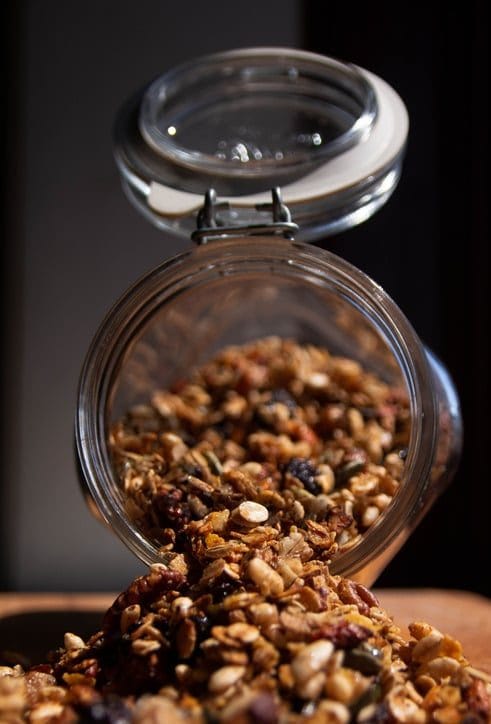
Mix everything well and store in an airtight jar.

This cruesli is the opposite of those sugar bombs in the supermarket. Pure
fibres, healthy fats, plant-based proteins. In an airtight jar the cruesli keeps for 2-
3 weeks.

How to use it: 2 tablespoons cruesli on 200 g unsweetened soy yoghurt.

Want an extra protein boost? Add 1-2 tablespoons doTERRA protein powder.
Optionally add some fresh fruit.

The beauty? This breakfast keeps you going for hours. No mid-morning crash.

No snack attacks. Just stable energy.

You can start right away

Start klein:

Morgen bij je ontbijt: groente eerst, geen zoete dingen

Voor je lunch/avondeten: glas water met azijn

Na je lunch/avondeten : 10 minuten blokje om

That's it.

No revolution. No extreme lifestyle change. Just three tiny habits
that stabilise your blood sugar.

Transformation does not happen by waiting for motivation. It happens by
taking one small step at a time, every day, until those steps become who you are.